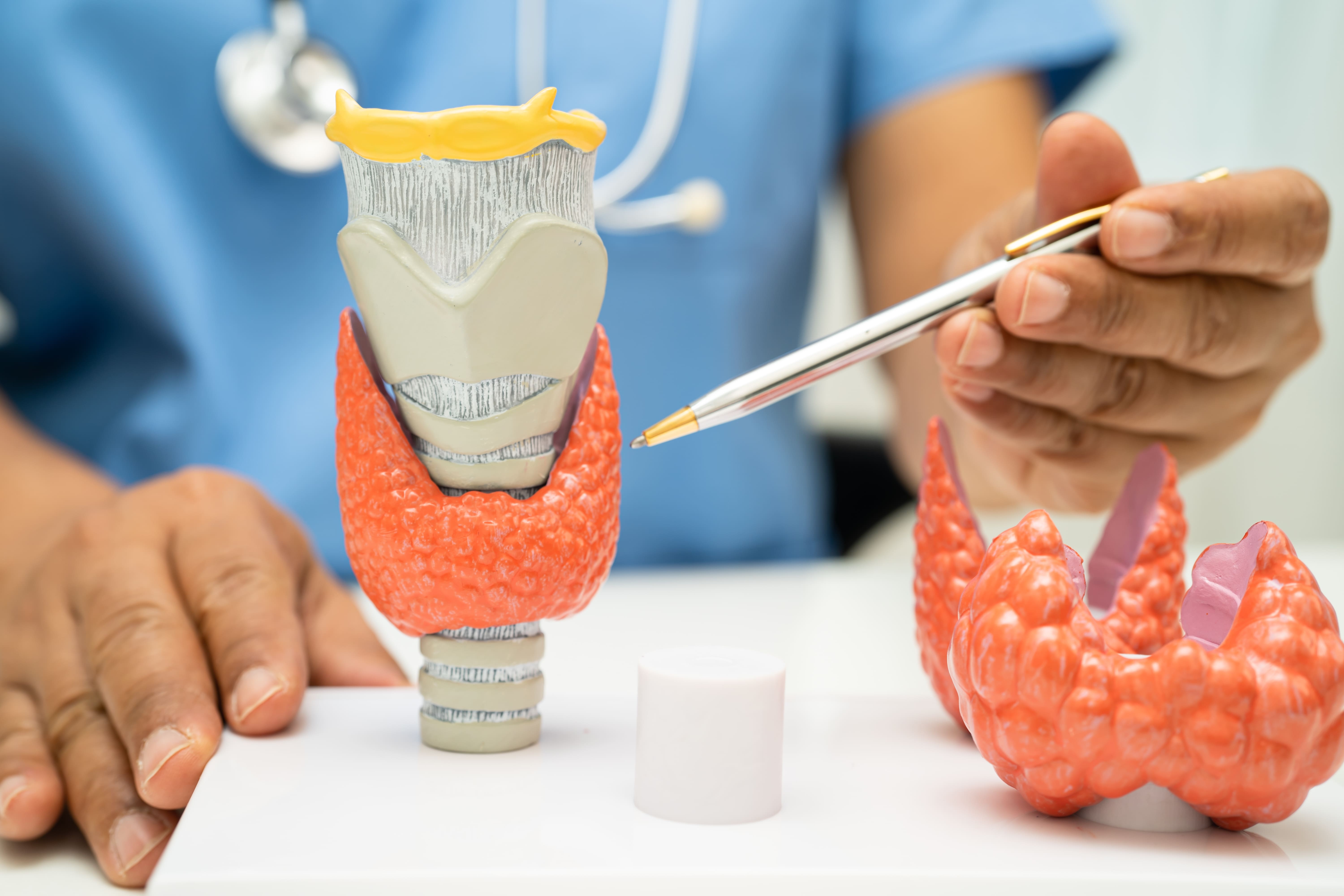
Inflammatory bowel disease (IBD) affects more than just your digestive system. Chronic inflammation from conditions like Crohn’s disease and ulcerative colitis may also disrupt your body’s hormone production by interfering with your endocrine system.
This article explains how IBD can affect hormone balance, the common symptoms to watch for, and how to manage these complications.
How IBD Affects Your Hormones
Your endocrine system consists of glands that produce hormones, chemical messengers that regulate functions including growth, metabolism, stress response, and reproduction. IBD creates ongoing inflammation that may affect these hormone-producing glands.
This connection occurs through several mechanisms:
Inflammatory proteins disrupt hormone production: Cytokines released during IBD flare-ups can disrupt normal hormone production
Reduced nutrient absorption affects hormone creation: IBD can prevent proper absorption of nutrients needed for hormone production, including cholesterol and specific vitamins
Chronic illness activates stress responses: Long-term inflammation triggers can lead to elevated cortisol levels, which may suppress other hormones
Treatment medications influence hormone levels: Corticosteroids used to manage IBD directly affect your natural hormone balance
Common Endocrine Symptoms in IBD Patients
People with IBD may experience hormone-related symptoms that can significantly impact daily life. These endocrine complications often occur alongside digestive symptoms.
Symptoms to be aware of include:
Bone health changes: Reduced bone density, increased fracture risk, and bone pain due to calcium malabsorption and medication effects
Growth and development delays: Children and teenagers with IBD may experience slower growth, delayed puberty, or reduced adult height
Reproductive health changes: Irregular menstrual cycles, fertility challenges, reduced libido, and pregnancy complications
Metabolic changes: Unexplained weight changes, blood sugar fluctuations, and altered cholesterol levels independent of IBD symptom changes
Managing Endocrine Complications With IBD
Treatment approaches may include:
IBD symptom management: Better control of intestinal inflammation often improves hormone function by reducing inflammatory proteins and improving nutrient absorption. Where appropriate, your doctor may refer you to a colorectal surgeon for IBD management and treatment.
Nutritional support: Supplementation of vitamins D, B12, and minerals like zinc and magnesium may support hormone production
Bone health monitoring: Regular bone density scans and calcium/vitamin D supplementation help monitor and support bone health, particularly for patients on long-term steroids
Hormone assessment when appropriate: In some cases, hormone testing or replacement therapy may be recommended for low testosterone, oestrogen, or thyroid hormones
When to See A Specialist
Not every hormone-related symptom requires immediate intervention, but some warrant prompt evaluation.
Consider discussing endocrine concerns with endocrinologists if you experience:
Persistent fatigue: Ongoing tiredness that doesn’t improve despite good IBD control and adequate rest.
Bone pain or fractures: Bone discomfort or fractures that happen with minimal strain, especially if you’ve been on long-term steroid treatment.
Delayed growth or puberty: In children and teenagers, noticeable delays in growth, puberty, or development.
Reproductive health concerns: Irregular periods, fertility difficulties, reduced libido, or other changes related to sexual health.
Conclusion
IBD’s impact may extend beyond digestive symptoms to affect your body’s hormone balance. Recognising these potential connections can help you monitor symptoms and discuss concerns with your healthcare team. Regular check-ups with your endocrinologist are important to manage any hormone-related complications.